

Resource Center
Stay in the know with the latest news and expert insights from StartSmart Counsel. Our dedicated team of advisors regularly shares valuable updates, industry trends, and business wisdom to help you navigate the entrepreneurial journey. Explore our curated collection of news articles and blog posts to gain valuable insights and stay ahead in your startup endeavors.


When a Holding Company Structure Is Necessary and Why the Right Agreements Matter More Than the Structure Itself
Business owners often hear the phrase "holding company" from accountants, attorneys, investors, and fellow entrepreneurs. It has become one of the most frequently discussed asset protection strategies, yet it is also one of the most misunderstood. Many business owners believe that simply creating a holding company automatically protects their assets from lawsuits or creditors. Unfortunately, that assumption can create a false sense of security.
At StartSmart Counsel, one of the most common questions we receive is whether a client should establish a holding company. The answer is rarely a simple yes or no. A holding company can be an incredibly effective asset planning tool, but only when it is implemented for the right reasons, structured properly, and supported by carefully drafted legal agreements.
The reality is that the holding company itself is only one piece of the puzzle. Without comprehensive operating agreements, intercompany agreements, licensing agreements, management agreements, and other supporting documentation, the structure may fail to accomplish its intended purpose.
This article explains when a holding company structure makes sense, why businesses use one, and why the legal documentation between entities is often more important than the entities themselves.

Concerned Your Company Isn't Ready to Go Public? Legal and Compliance Steps to Prepare Now
Taking a private company public is one of the most significant milestones in a business's lifecycle. An initial public offering (IPO) provides access to substantial capital, enhances brand credibility, and creates liquidity opportunities for founders and early investors. However, becoming a publicly traded company also introduces an entirely new regulatory environment that demands careful legal planning, corporate governance, financial transparency, and ongoing compliance.

Want to Start an Export Business? Here's How to Build a Legally Compliant and Profitable Company
International trade presents tremendous opportunities for entrepreneurs looking to expand beyond domestic markets. Advances in logistics, e-commerce, and digital communication have made exporting more accessible than ever, allowing businesses of all sizes to sell products to customers around the world. However, entering the global marketplace requires more than identifying overseas buyers. Successful exporters must understand legal requirements, regulatory compliance, logistics, financing, and risk management.
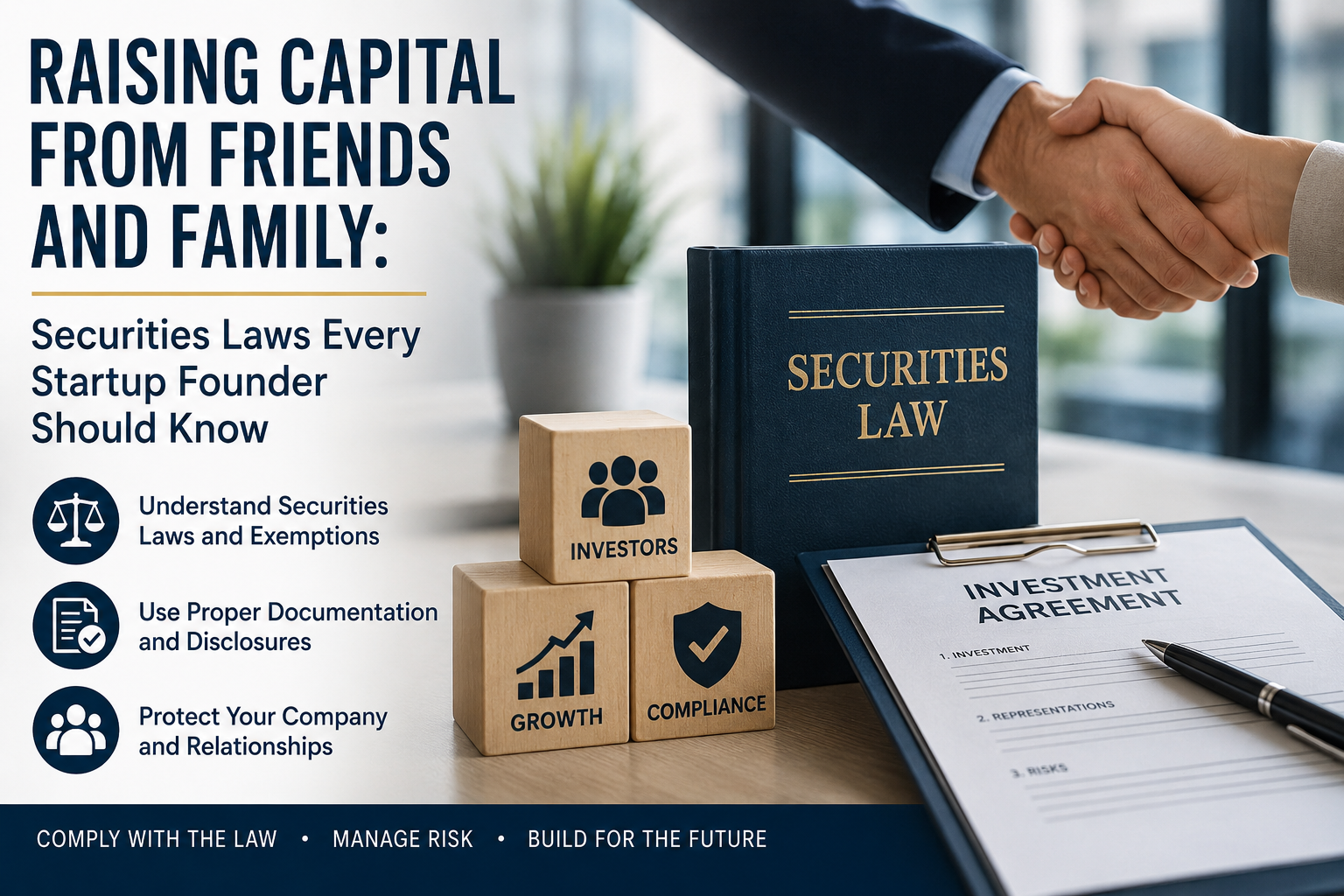
Raising Capital from Friends and Family: Securities Laws Every Startup Founder Must Know
For many entrepreneurs, the first investors are not venture capital firms or angel investors, they are parents, siblings, friends, former colleagues, or mentors who believe in the founder long before the market does. Friends and family financing has launched countless successful startups, providing the capital necessary to develop products, hire employees, and reach milestones that attract institutional investment.
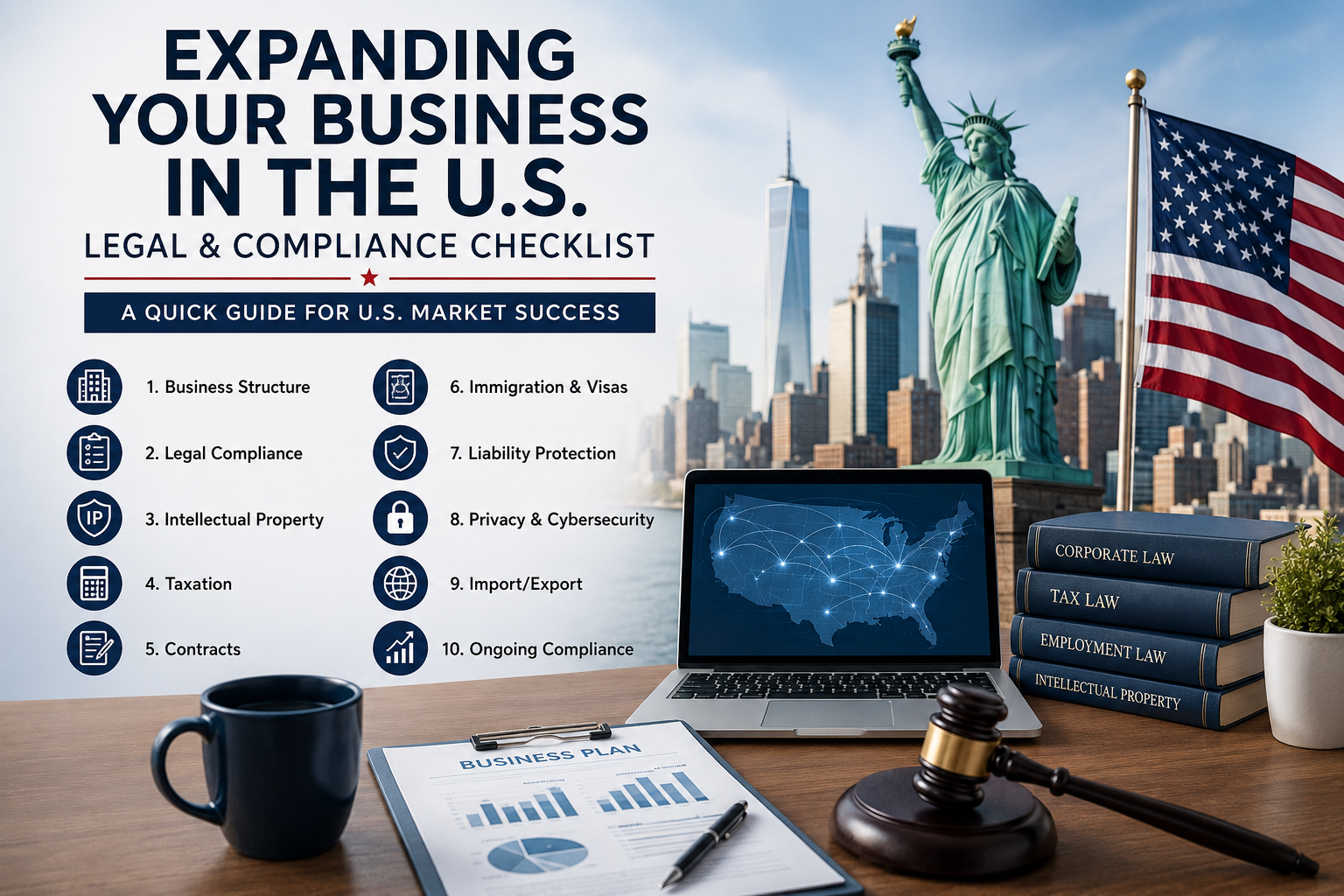
Expanding Your Business in the U.S.: The Legal & Compliance Checklist Every International Business Needs Before Launch
The United States remains one of the world's largest and most attractive markets for entrepreneurs, startups, manufacturers, technology companies, and established international businesses. With access to more than 340 million consumers, sophisticated capital markets, and a strong legal framework, expanding into the U.S. can significantly accelerate business growth.
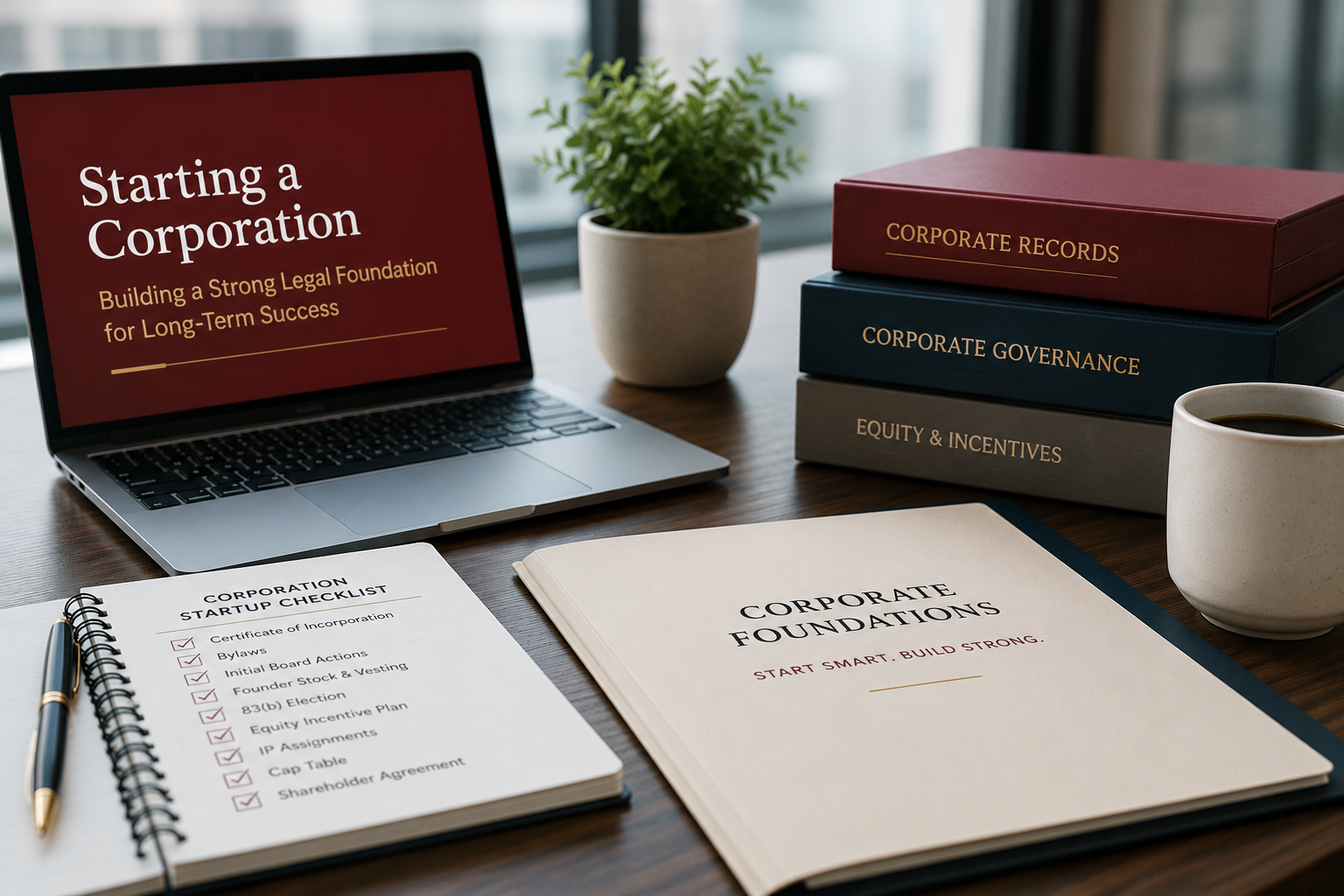
Avoid Costly Startup Mistakes: The Complete Guide to Starting a Corporation and Building a Venture-Ready Company
Starting a corporation is one of the most important legal decisions an entrepreneur will make. Unfortunately, many founders mistakenly believe that forming a corporation simply means filing a Certificate of Incorporation with the Secretary of State. While filing the formation document creates the legal entity, it is only the beginning of the process. A properly organized corporation requires a comprehensive legal, tax, governance, and equity structure to protect founders, attract investors, preserve valuable tax benefits, and position the company for long-term success.

What Happens to Your Business If You Can't Show Up Tomorrow? Why Every Business Owner Needs a Business Continuity and Dissolution Plan
Life is unpredictable but your business doesn't have to be. Proactive business continuity, succession, and dissolution planning can help safeguard your operations, preserve your company's value, and protect everyone who depends on your business.
Book a Call Today!
Want to learn more? Schedule a consultation with one of our attorneys today.