

Resource Center
Stay in the know with the latest news and expert insights from StartSmart Counsel. Our dedicated team of advisors regularly shares valuable updates, industry trends, and business wisdom to help you navigate the entrepreneurial journey. Explore our curated collection of news articles and blog posts to gain valuable insights and stay ahead in your startup endeavors.


Is Compliance Risk Threatening Your Startup or Fund? How to Identify, Prioritize, and Mitigate It on a Lean Budget
Startups and emerging investment funds operate under a common constraint: they must build institutional credibility before they have institutional resources.
A startup may be hiring employees, signing enterprise customers, collecting data, raising capital, and launching new products while its internal processes are still developing. An emerging fund manager may simultaneously be fundraising, evaluating investments, communicating with limited partners, managing portfolio companies, and establishing operational infrastructure.

Worried Your Software Terms Don’t Protect You? When Your Business Needs a EULA and How It Differs From Terms of Service
Software companies frequently invest substantial time and capital developing applications, platforms, mobile apps, and other digital products while giving comparatively little attention to the agreements governing how customers may use them.

Founder Equity Mistakes Can Cost Millions: The Essential Documents Every Startup Should Have in Place
Founder equity often looks simple at formation: determine the ownership percentages, issue shares, update the capitalization table, and move on to building the company.

Your SaaS Platform Added AI—Did Your Contracts and Risk Controls Catch Up?
Artificial intelligence is rapidly becoming part of the standard technology stack. Software-as-a-Service (“SaaS”) companies are integrating large language models, automated decision-making tools, predictive analytics, AI agents, recommendation engines, and generative AI capabilities into products that were originally built around traditional software architecture.
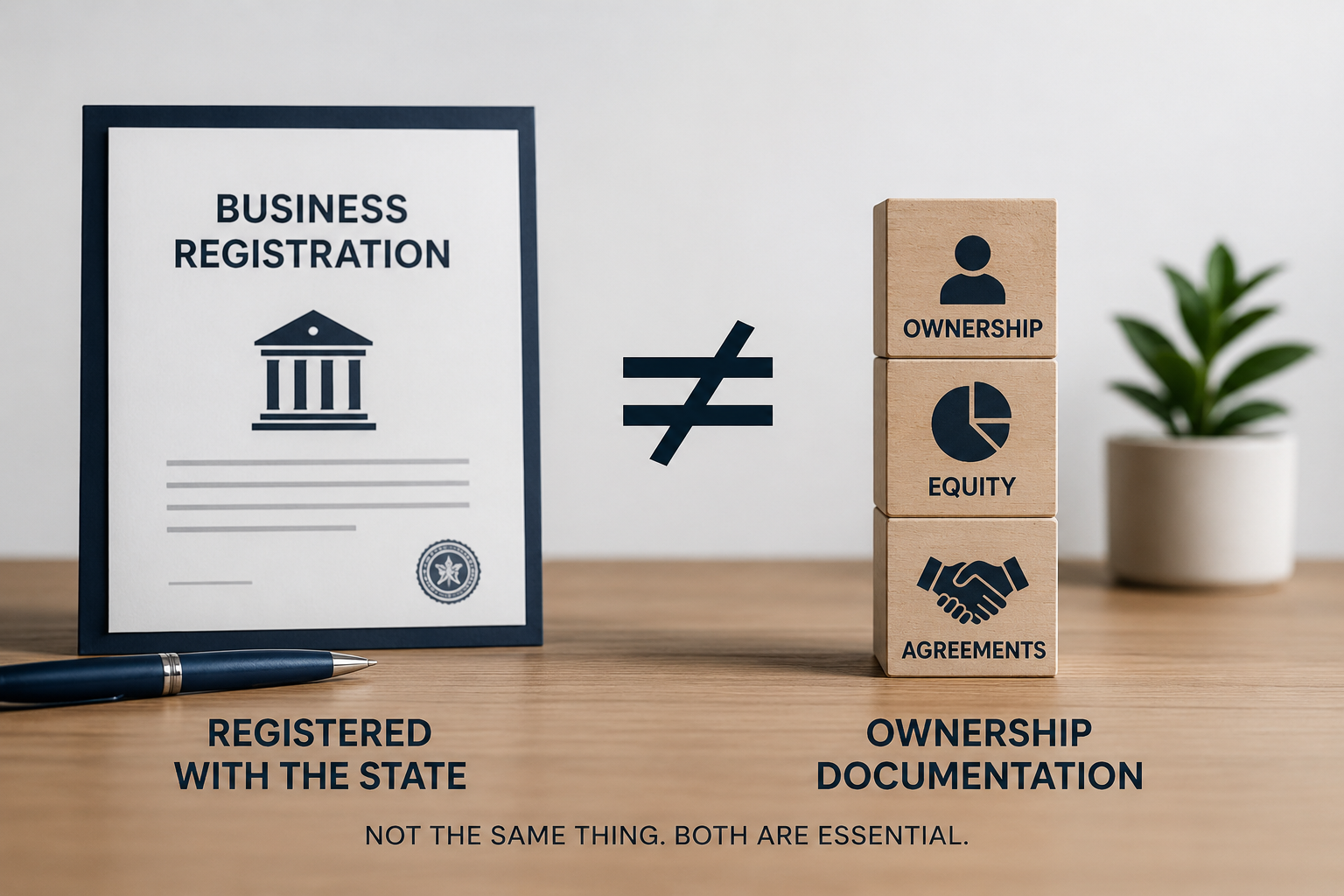
You Registered the Business With the State—But Do You Actually Own It? Why Business Formation and Equity Ownership Are Not the Same Thing
Registering a business with the state is an important milestone for any entrepreneur. The filing may establish a limited liability company (“LLC”) or corporation as a separate legal entity, provide the business with an official name, and create a public record of its existence.
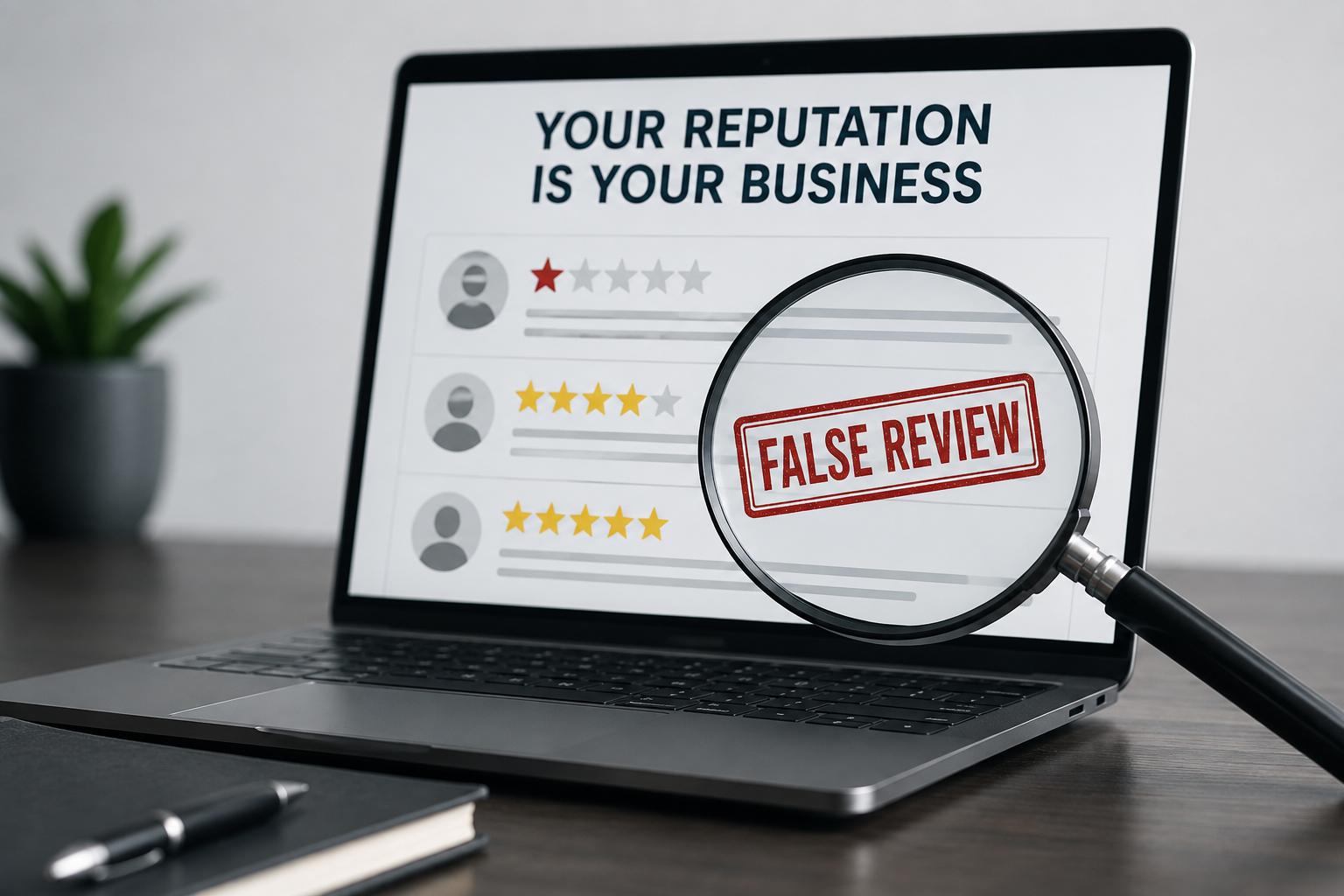
False Reviews Are Costing Your Business Customers: How AI and Online Defamation Are Creating a New Reputation Crisis
A single false statement can now reach thousands of prospective customers before a business owner even knows it exists. For startups, professional service firms, restaurants, technology companies, and other reputation-dependent businesses, online defamation is no longer merely a public-relations problem. It can become a significant legal and financial threat.
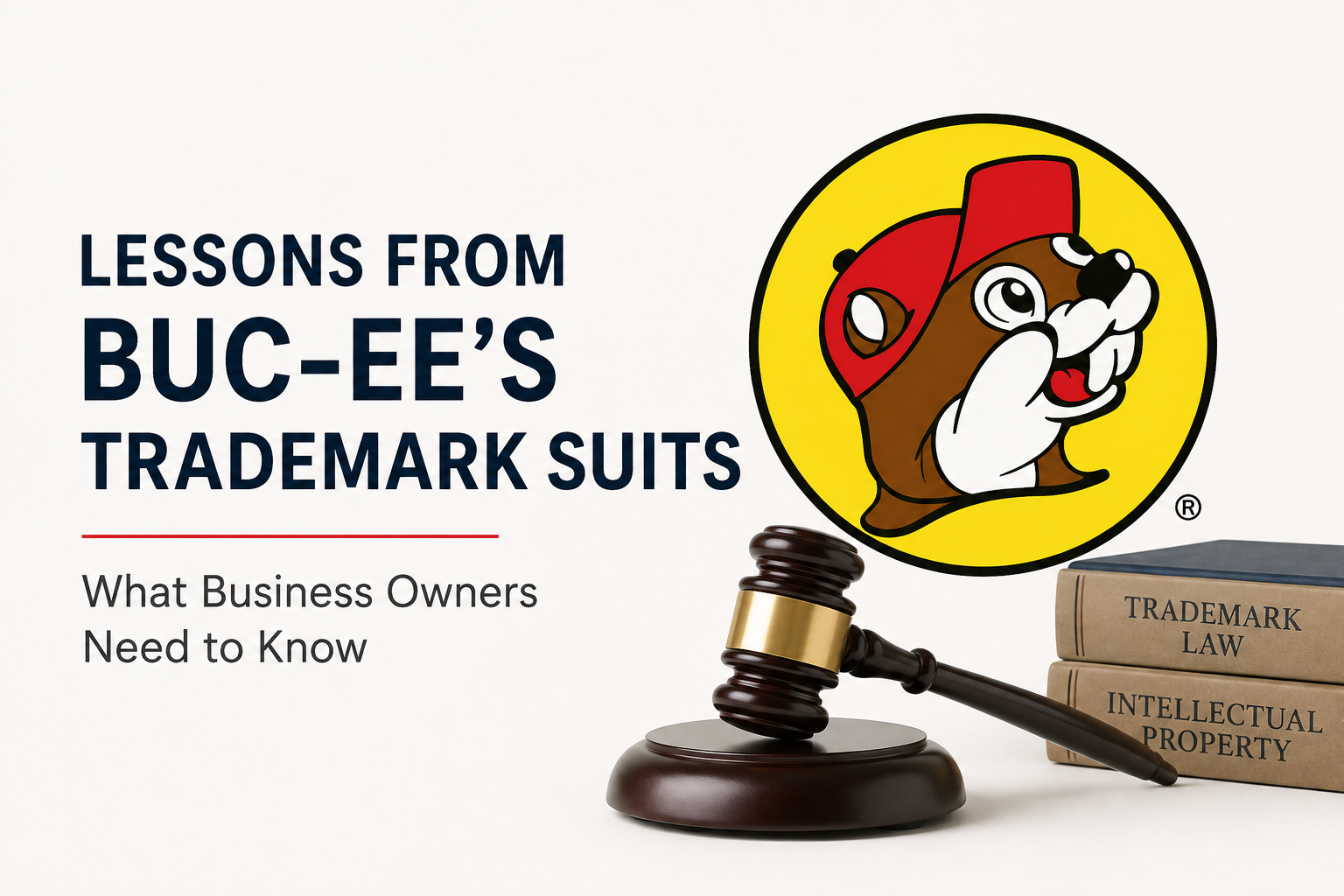
Think Your Brand Is Different Enough? Lessons for Business Owners From Buc-ee’s Trademark Lawsuits
A memorable brand can become one of a company's most valuable assets. But building that value is only half the challenge. Businesses must also determine how aggressively to protect their trademarks, and, before launching a brand of their own, how carefully to investigate the rights of others.
Few companies illustrate both sides of that equation as vividly as Buc-ee's.
The Texas-founded travel-center company has developed an extraordinarily recognizable brand around its name, smiling beaver mascot, distinctive logo, merchandise, and retail experience. It has also developed a reputation for vigorously enforcing its intellectual property rights.
That enforcement strategy has generated litigation involving competing convenience stores, animal mascots, allegedly similar names, merchandise, and other branding. In one earlier federal case, for example, Buc-ee's asserted trademark and related claims against operators using a cartoon alligator within a yellow circular design for Choke Canyon convenience stores and gas stations. More recently, Buc-ee's has pursued additional federal trademark cases as the company expands nationally.
Book a Call Today!
Want to learn more? Schedule a consultation with one of our attorneys today.