
Resource Center
Stay in the know with the latest news and expert insights from StartSmart Counsel. Our dedicated team of advisors regularly shares valuable updates, industry trends, and business wisdom to help you navigate the entrepreneurial journey. Explore our curated collection of news articles and blog posts to gain valuable insights and stay ahead in your startup endeavors.

USCIS Announces Major Shift in Adjustment of Status Policy: What It Means for EB-2 NIW and Employment-Based Green Card Applicants
On May 22, 2026, U.S. Citizenship and Immigration Services (USCIS) announced a significant policy change that could reshape the path to permanent residence for thousands of employment-based immigrants currently living and working in the United States.
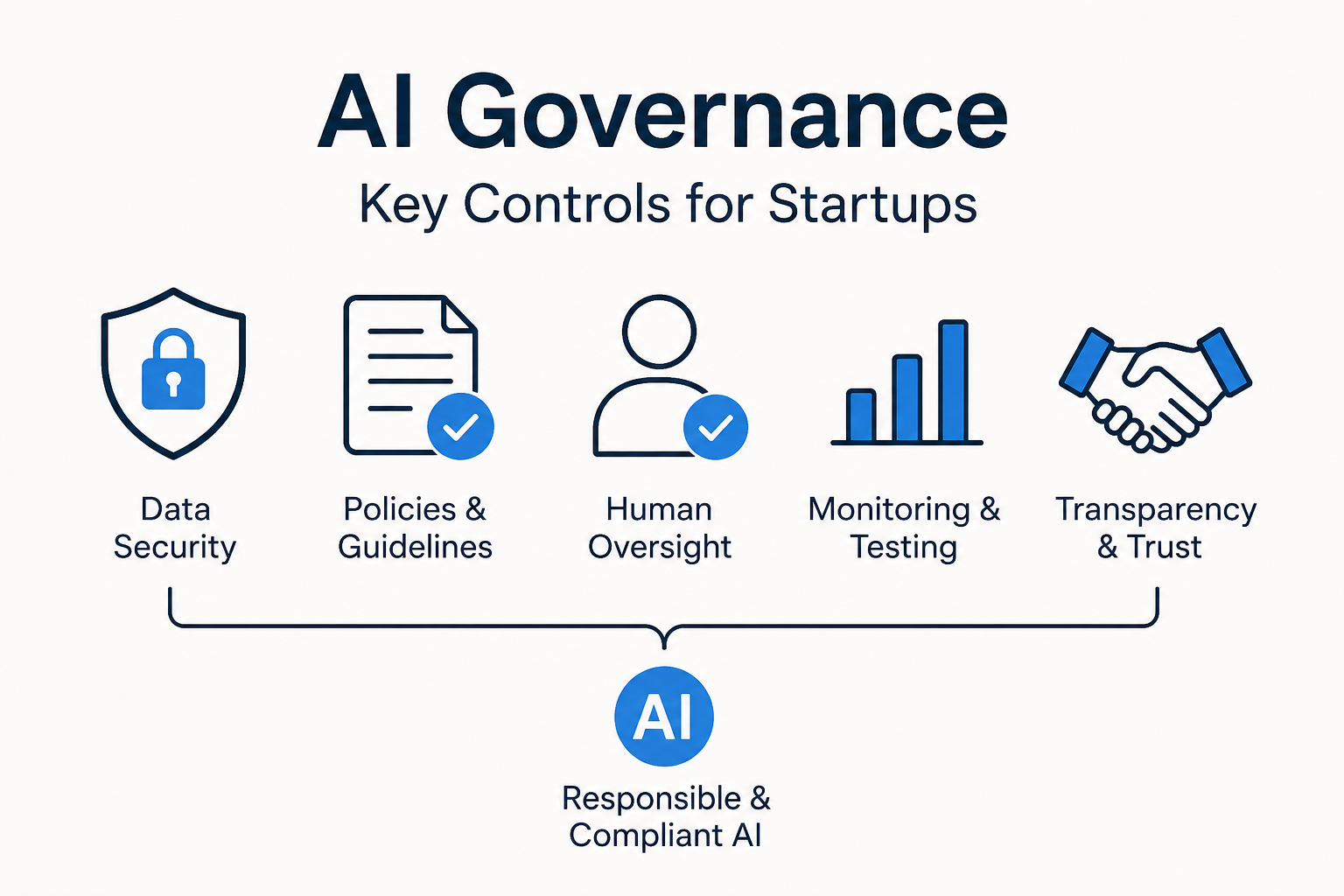
Investors and Enterprise Clients Expect AI Governance: What Startups Using Generative AI Must Have in Place
Artificial intelligence startups are scaling faster than ever, but so are investor expectations and enterprise procurement standards. For founders building products powered by generative AI, securing venture capital and enterprise contracts increasingly depends on one critical factor: whether the company has implemented meaningful governance and compliance controls around AI use.
Enterprise buyers are no longer impressed simply because a startup uses large language models (“LLMs”), retrieval augmented generation (“RAG”), or autonomous agents. Sophisticated customers now ask harder questions:
How is customer data handled within the AI workflow?
Are prompts retained or used for model training?
What contractual protections exist regarding AI hallucinations?
Does the company prohibit employees from inputting confidential information into public AI systems?
What happens if the AI generates infringing content?
Are there human review and testing procedures?
Is the AI explainable, auditable, and secure?
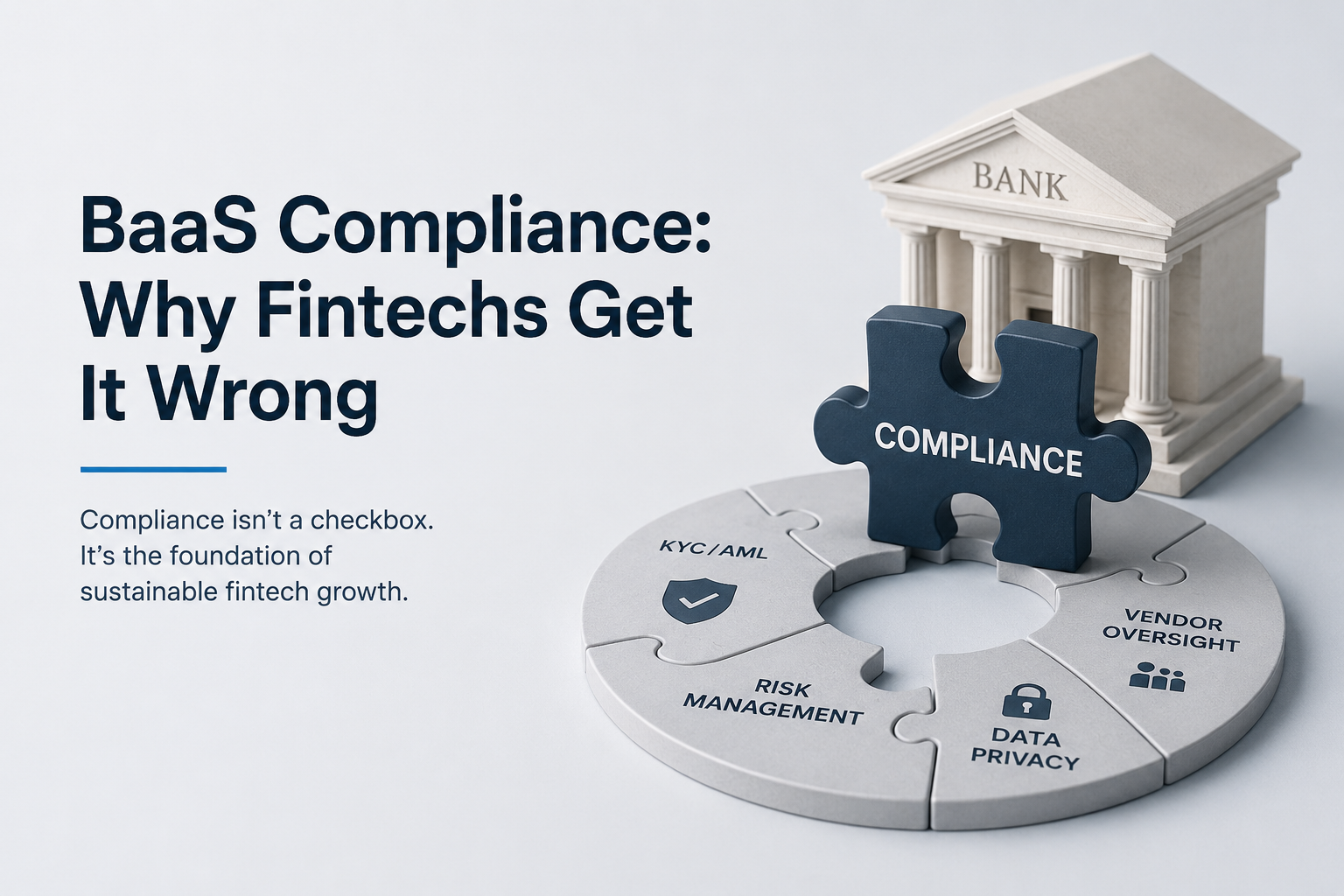
Why Fintech Startups Fail BaaS Compliance: The Dangerous Cost of Treating Compliance as an Afterthought
Banking-as-a-Service (BaaS) transformed the fintech ecosystem by lowering the barriers to entry for financial innovation. Startups can now launch banking products, issue cards, move money, and offer embedded financial services without becoming chartered banks themselves. The infrastructure layer created by sponsor banks and middleware providers accelerated innovation across payments, lending, digital wallets, and embedded finance.
However, as the BaaS industry matures, regulators have shifted their attention toward the operational and compliance failures hidden beneath rapid growth models. Enforcement actions against sponsor banks, middleware providers, and fintech programs have exposed a recurring issue: many fintech companies treat compliance as a secondary operational function instead of a foundational business architecture.
This mistake is no longer survivable.
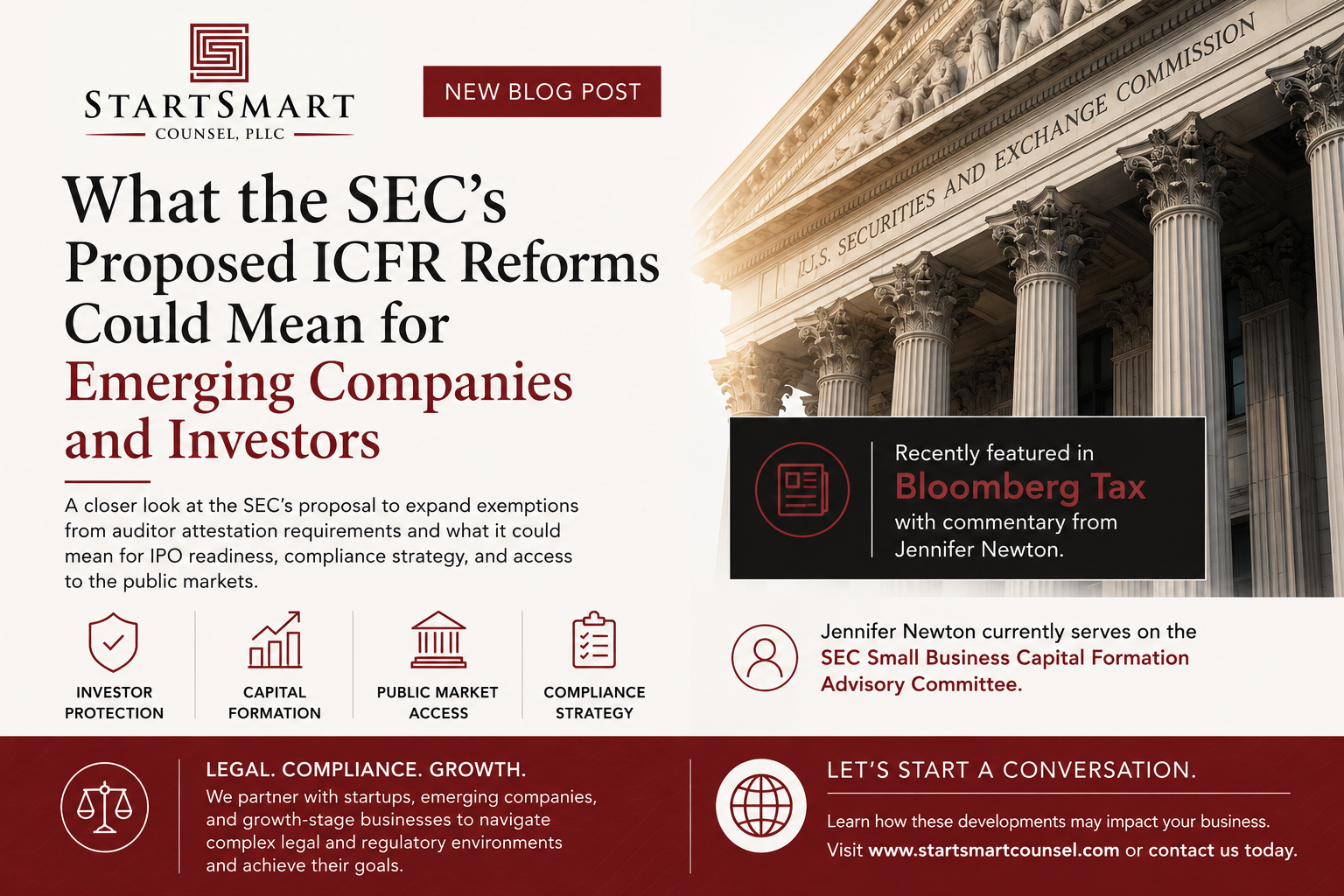
What the SEC’s Proposed ICFR Reforms Could Mean for Emerging Companies and Investors
Recently, Bloomberg Tax featured commentary from Jennifer Newton, Founder of StartSmart Counsel PLLC, on the SEC’s proposed reforms to auditor attestation and public company compliance requirements, a proposal that could significantly impact emerging and growth-stage companies navigating today’s capital markets.
At the center of the proposal is the SEC’s plan to expand exemptions from the requirement that certain public companies obtain an independent auditor attestation regarding their Internal Control over Financial Reporting (ICFR) under Section 404(b) of the Sarbanes-Oxley Act.
While technical on its face, the proposal raises broader questions about the future of public markets, investor protection, and access to capital.

Hiring Temporary Workers for FIFA 2026? Avoid These Employment Law Mistakes
Miami is preparing for one of the largest international sporting events in modern history as the FIFA World Cup 2026 approaches. The first FIFA World Cup match scheduled in Miami — featuring Saudi Arabia — is expected to take place on June 15, 2026, at Hard Rock Stadium, marking the beginning of what many anticipate will be an unprecedented surge in tourism, hospitality activity, transportation demand, and commercial operations throughout South Florida.
For restaurants, hotels, event production companies, retail establishments, security firms, staffing agencies, transportation providers, and hospitality startups, FIFA 2026 presents extraordinary commercial opportunities. Yet alongside these opportunities comes heightened legal risk.
Businesses across Miami-Dade County are already beginning to scale operational capacity in anticipation of increased customer volume, expanded operating hours, and event-related staffing demands. In many cases, this preparation involves rapidly hiring temporary workers, seasonal personnel, and supplemental labor forces under compressed timelines.
However, accelerated hiring practices frequently produce compliance failures that expose businesses to substantial liability under federal and Florida employment laws. The operational urgency surrounding FIFA 2026 does not diminish employer obligations relating to wage compliance, worker classification, workplace safety, immigration verification, or anti-discrimination laws.
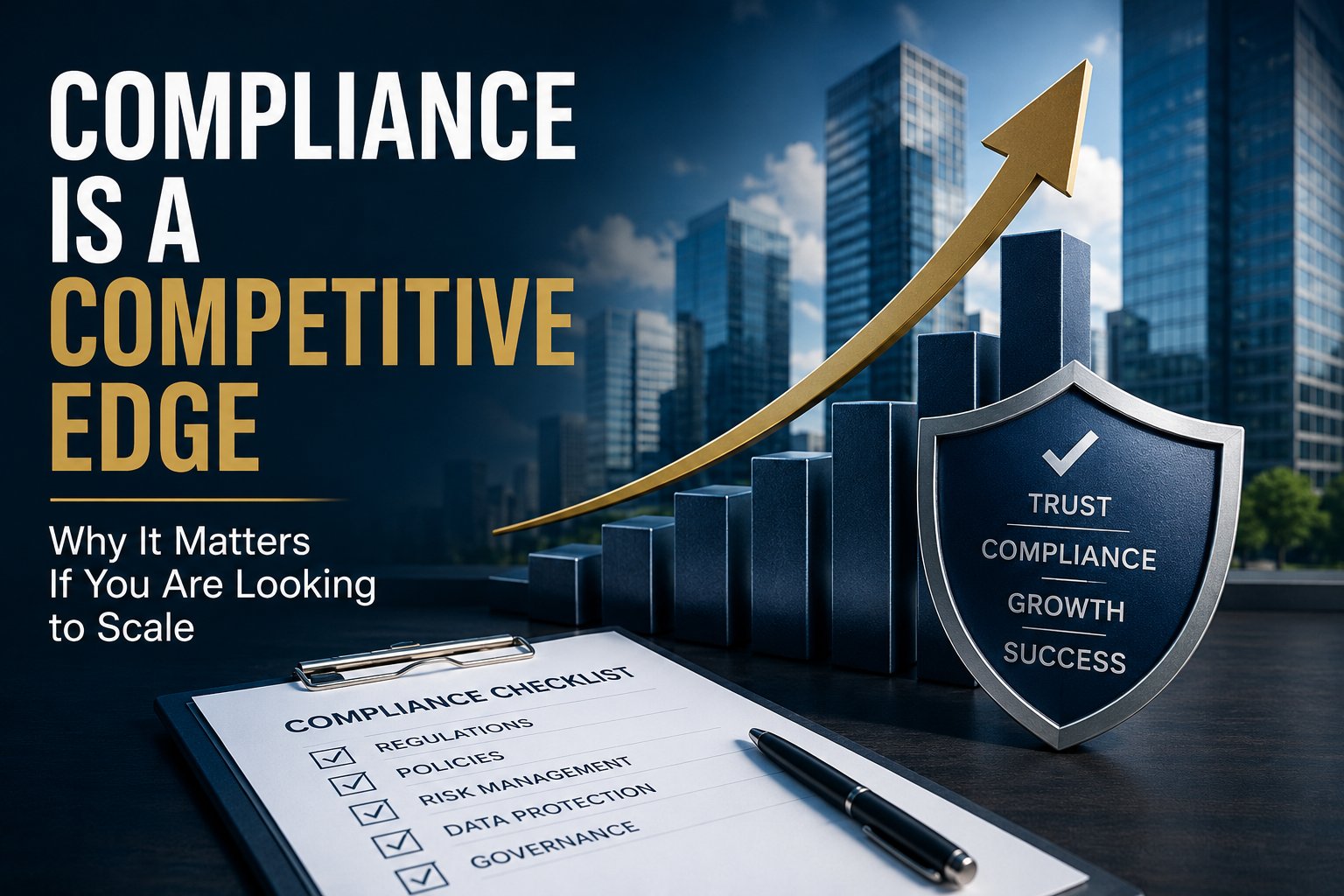
Compliance Is a Competitive Edge: Why It Matters If You Are Looking to Scale
For many startups and growth-stage companies, compliance is often treated as a reactive necessity rather than a strategic advantage. Founders tend to focus on customer acquisition, fundraising, product development, and operational growth while relegating compliance obligations to the background until a regulator, investor, enterprise client, or litigation threat forces immediate action.
This approach is increasingly risky.
In today’s business environment, compliance is no longer merely about avoiding penalties. It has evolved into a core operational asset that directly impacts scalability, investor confidence, enterprise sales, valuation, and long-term sustainability. Companies that integrate compliance into their growth strategy early are often better positioned to secure partnerships, close larger contracts, enter regulated markets, and withstand operational scrutiny.
For startups, SaaS companies, fintech firms, healthcare providers, e-commerce businesses, and technology-driven enterprises, compliance is not an obstacle to growth. Properly implemented, it becomes a competitive edge.

So You Want to Open a Restaurant / Food Business (AND acquire Investors)? Legal, Compliance, and Risk Considerations Every Founder Must Address
Opening a restaurant is often driven by passion: a signature concept, a family recipe, a hospitality vision, or a belief that a particular market is underserved. Entrepreneurs frequently begin with menu design, branding, location scouting, and financial modeling. While these foundational elements matter, many restaurant ventures encounter avoidable setbacks because legal compliance and operational risk management are treated as secondary considerations rather than core business infrastructure.
Book a Call Today!
Want to learn more? Schedule a consultation with one of our attorneys today.