
Resource Center
Stay in the know with the latest news and expert insights from StartSmart Counsel. Our dedicated team of advisors regularly shares valuable updates, industry trends, and business wisdom to help you navigate the entrepreneurial journey. Explore our curated collection of news articles and blog posts to gain valuable insights and stay ahead in your startup endeavors.


The OCC’s New Tokenized Securities Guidance: What Crypto Builders Need to Know (Without the Legal Jargon)
Tokenization has become one of the most talked-about trends in fintech and Web3. From tokenized treasuries to blockchain-based equity, startups are increasingly exploring ways to represent traditional financial assets on distributed ledgers.
Recently, the Office of the Comptroller of the Currency (OCC) issued clarification addressing how tokenized securities are treated under bank capital rules.
While the guidance itself is fairly technical, the message behind it is actually straightforward:
If a token represents a real security with the same legal rights, regulators will treat it like the traditional version of that security.
For crypto innovators building infrastructure around tokenized assets, this clarification helps answer a key question: Does putting a security on blockchain change how regulators treat it?
In most cases, the answer is no.

EB-2 NIW vs EB-5 Investor Visa: Which U.S. Immigration Path Makes More Strategic Sense for Entrepreneurs and Investors?
An AI startup founder from Brazil builds a promising SaaS platform and wants to move operations to the United States. Her immigration lawyer presents two potential permanent residency strategies:
• EB-2 National Interest Waiver (NIW)
• EB-5 Immigrant Investor Visa
Both lead to U.S. green cards, but they are fundamentally different in structure, risk, cost, and evidentiary burden.
For entrepreneurs, investors, and highly skilled professionals, choosing the wrong pathway can delay immigration by years or require millions of dollars in unnecessary capital deployment.
Understanding the legal framework behind each category is critical before pursuing either route.

How to Properly Structure Your Employee Incentive Plan (Including the Required Legal and Compliance Documentation)
For founders and growth-stage companies, employee incentive plans are often viewed as a strategic recruitment tool. However, sophisticated investors, auditors, and regulators view them differently: as complex legal instruments requiring strict documentation, governance discipline, and tax compliance.
Improperly structured or poorly documented employee incentive plans routinely delay venture financings, trigger adverse tax consequences under Internal Revenue Code §409A, and complicate mergers or acquisitions. In some cases, missing board approvals, defective grant agreements, or poorly drafted award terms have resulted in material transaction adjustments during due diligence.
For startups, fintech companies, and venture-backed enterprises, establishing an Employee Incentive Plan (EIP) requires not only strategic design—but also a clear understanding of the types of awards available and the comprehensive legal documentation required to support them.
This article outlines both the structural considerations and the specific documentation necessary to implement a legally sound, tax-compliant, and investor-ready incentive plan.

Avoid Costly Rejections and Regulatory Delays: Common Pitfalls When Applying for State Money Transmitter Licenses
For fintech founders and payment innovators, few regulatory setbacks are as disruptive as a rejected or materially delayed state money transmitter license (MTL) application. Missed launch dates, frozen expansion plans, investor frustration, and bank relationship instability often trace back to avoidable mistakes made during the licensing process.
Unlike FinCEN registration, which is federal and largely ministerial, state money transmitter licensing is substantive, document-intensive, and subject to discretionary regulatory review. Each state imposes unique financial, compliance, and operational standards, many of which are rigorously examined through the Nationwide Multistate Licensing System (NMLS).
For startups, venture-backed fintechs, and embedded finance platforms, understanding the most common pitfalls in state MTL applications is critical to maintaining growth momentum and regulatory credibility.
This article outlines the most frequent mistakes applicants make and how to avoid them.
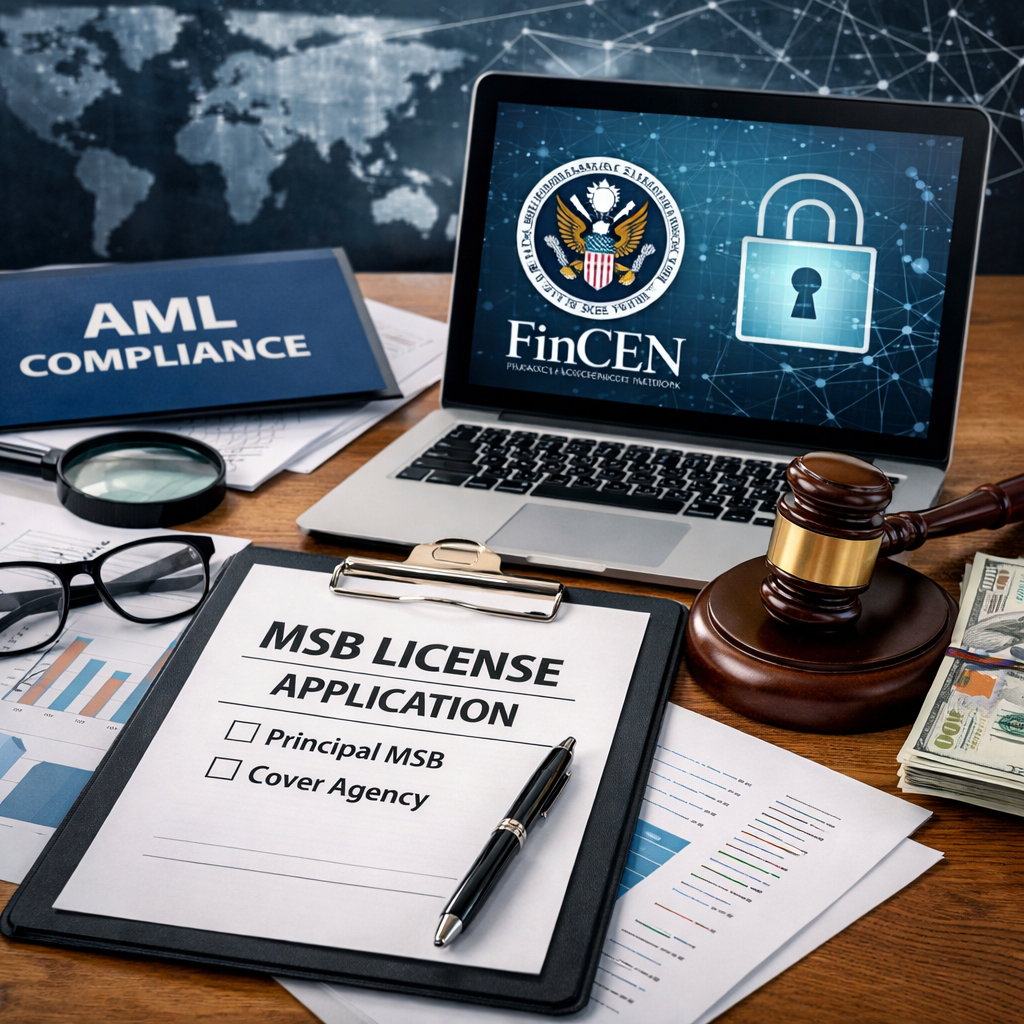
Avoid Costly Delays and Enforcement Actions: How Fintechs Can Prepare for an MSB License with FinCEN as a Principal or Cover Agency
For fintech founders and digital asset innovators, few regulatory missteps are as costly as failing to properly register as a Money Services Business (MSB) with the Financial Crimes Enforcement Network (FinCEN). Delays, rejected filings, inadequate Anti-Money Laundering (AML) programs, or confusion over whether to register as a principal or under a cover agency relationship can expose a company to civil penalties, reputational damage, and operational shutdowns.

Misclassifying Independent Contractors Could Cost You Millions: What the New Department of Labor Rules Mean for Your Business
The Department of Labor’s final rule underscores a clear regulatory message: worker classification must reflect economic reality. When combined with IRS standards and stringent state laws, the compliance landscape becomes complex and unforgiving.
Businesses that rely on independent contractors must undertake a comprehensive, multi-jurisdictional analysis to ensure lawful classification. The cost of getting it wrong can be catastrophic—financially and operationally.

Tokenized Fundraising and the Securities Trap: How Web3 Projects Trigger SEC Scrutiny Without Realizing It
In Web3, speed is celebrated. Regulators are slower—but far more durable.
Token fundraising without legal architecture is not innovation. It is enforcement risk deferred.
Book a Call Today!
Want to learn more? Schedule a consultation with one of our attorneys today.